Is Pakistan safe for tourists? Every year more foreign travelers ask this question, and the honest answer depends on where you go, how you travel and who you travel with. Pakistan is a large country. Some regions carry serious security warnings from Western governments. Others, such as the northern mountain valleys, receive thousands of foreign trekkers and road-trippers each summer. This guide sets out what official travel advice says in 2026, which areas are treated differently, and the practical habits that lower your risk.
We do not make safety promises, and neither should anyone else. Your own government's travel advice is the starting point. Read it, check it again a few days before you fly, and make sure your travel insurance is valid for where you plan to go.
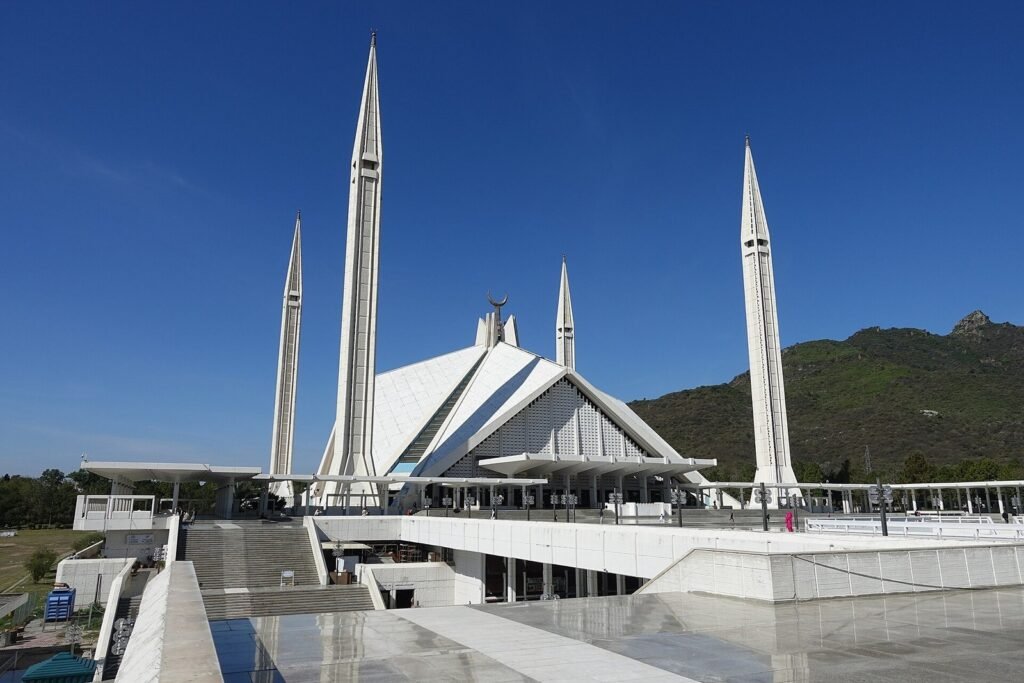
What official travel advice says about Pakistan in 2026
Most foreign governments publish country-level advice, and many travel insurers follow it. Two of the most widely read are the US State Department and the UK Foreign, Commonwealth and Development Office (FCDO). Here is what they said when we checked in October 2026.
United States: Level 3, Reconsider Travel
The US State Department rates Pakistan as a whole at Level 3: Reconsider Travel (advisory issued 16 June 2026). It rates three areas at Level 4: Do Not Travel:
- Balochistan Province, due to terrorism and kidnapping
- Khyber Pakhtunkhwa Province, including the former FATA, due to terrorism and kidnapping
- The vicinity of the Line of Control, due to terrorism and the potential for armed conflict
The advisory does not give Gilgit-Baltistan a separate level. It mentions the region in its altitude section, noting that K2 sits there at high altitude.
United Kingdom: area-by-area advice
The FCDO says the terrorism threat is high throughout Pakistan and that attacks could happen in places foreigners visit, such as hotels, markets and tourist sites. It advises against all travel to some areas and against all but essential travel to others. In October 2026 these included:
| FCDO level | Areas named (summary) |
|---|---|
| Against all travel | Balochistan; much of Khyber Pakhtunkhwa including Peshawar, Swat, Kohat, Kurram, Khyber and North and South Waziristan; the N45 from north of Mardan ring road to the edge of Chitral city; the Karakoram Highway between Mansehra and Chilas (via Battagram, Besham, Dasu and Sazin); within 10 miles of the Line of Control |
| Against all but essential travel | Azad Jammu and Kashmir; Sindh north of and including Nawabshah; Dera Ghazi Khan; Malakand, Mardan, Nowshera, Shangla and Swabi; within 5 miles of the India border except official crossings |
| No area-wide warning | Gilgit-Baltistan (with notes on registration, possible permits and seeking local security advice), plus the cities and regions not listed above |
Advice changes, sometimes overnight. Treat this table as a snapshot from October 2026, not a substitute for reading the live pages linked in the sources below.
Canada, Australia, Germany and other countries publish their own advice, and the details differ. Always follow the advice of the country that issued your passport, because that is what your consular support and often your insurance depend on.
Is Pakistan safe for tourists in the north?
Most leisure travelers come for the north: Hunza, Skardu, the Karakoram Highway, Fairy Meadows and the trekking routes toward K2. Neither the US nor the UK places a blanket warning on Gilgit-Baltistan, which is why the region sees steady foreign tourism every summer.
That does not make the north risk-free. The real day-to-day hazards there are often natural and logistical rather than security related:
- Roads. Mountain roads are narrow, and landslides and rockfall close them several times a year. The FCDO advises avoiding the Karakoram Highway north of Battagram at night because of landslides, and warns that the N15 between Chilas and Babusar can close in bad weather.
- Route choice. The UK advises against all travel on the Karakoram Highway section between Mansehra and Chilas. Many operators use the Babusar route in summer or fly to Gilgit or Skardu instead. Ask your operator which route they plan and why.
- Flights. Flights to Gilgit and Skardu are weather dependent and can be cancelled at short notice. Build spare days into your plan.
- Altitude. Treks around K2 and other high valleys reach serious elevations. Acclimatize slowly and know the signs of altitude sickness.
- Monsoon. The FCDO flags monsoon flooding from roughly late June to early October and asks travelers to monitor landslide warnings.
For region-specific planning, read our Hunza Valley travel guide and our guide to the K2 Base Camp trek.
Cities: Lahore, Islamabad and Karachi
Many visitors spend a few days in Lahore for the Mughal monuments and food, or start in Islamabad before heading north. These cities are not on the Level 4 list, but the overall Level 3 rating and the UK's nationwide terrorism warning still apply. Common sense matters more than any single rule:
- Avoid crowds, political rallies and large religious gatherings where you can.
- Use licensed taxis or a car arranged by your hotel or tour operator. The FCDO advises against street taxis and app-based services, and against public transport including the railway and Metro Bus.
- Vary your routes and timings if you stay a long time, and keep a low profile.
- Watch for street crime, card fraud and scams, and take extra care on foot at night.
Karachi is a huge port city with its own patterns of crime and unrest. If business or family takes you there, read your government's city-level notes with care.
Want us to handle your Pakistan visa?
One short form, US$149 per traveller plus the government fee, with your Letter of Invitation included. Only need the letter? It is US$49. We file it and keep you updated on WhatsApp.
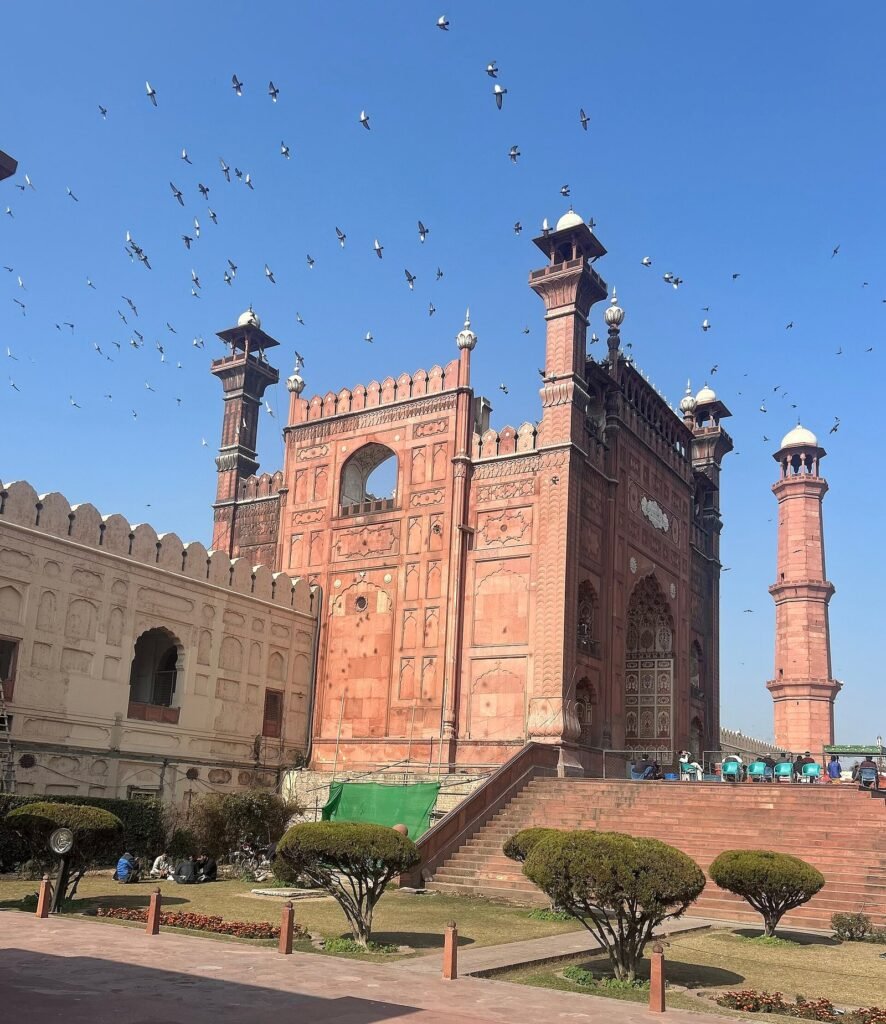
Practical safety tips for travelers in Pakistan
These habits apply anywhere in the country. None of them is a guarantee. Together they reduce the chance of trouble and make it easier to get help if something goes wrong.
- Read your government's advice twice. Once when planning, and again a few days before departure.
- Register with your embassy. US citizens can enroll in STEP. Other countries have similar schemes. It helps your embassy reach you in an emergency.
- Check your insurance wording. Many policies exclude areas under a "do not travel" or "against all travel" warning. Confirm coverage for your exact route, and for helicopter rescue if you trek at altitude.
- Travel with a licensed operator in remote areas. A licensed Pakistani tour operator knows current road conditions, local permit rules and checkpoints. Some regions require advance permission for foreigners.
- Carry ID at all times. Keep your passport and visa copy on you. Checkpoints are common on northern roads.
- Do not photograph sensitive sites. Avoid pictures of military sites, airports, bridges and other infrastructure.
- Stay connected. Buy a local SIM on arrival and share your itinerary with someone at home. Mobile data can be cut during unrest, so agree on a plan if you lose contact.
- Keep a buffer. Weather, road closures and protests can all cost you a day. Do not schedule your flight home the day after a mountain road trip.
Culture, law and respect
Feeling safe also comes from fitting in. Pakistan is a conservative Muslim-majority country, and hospitality toward guests is a strong part of the culture. A few points help:
- Dress modestly. Loose clothing that covers arms and legs is a good default for everyone. Women may want a scarf for mosques and rural areas.
- Know the serious laws. The FCDO notes that blasphemy carries severe penalties, including death; drug offenses bring long prison sentences; and same-sex sexual activity between men is illegal.
- Ask before photographing people, especially women.
- Respect prayer times and Ramadan. Avoid eating or drinking in public during fasting hours in Ramadan.
Solo travelers and women traveling in Pakistan
Solo travelers do visit Pakistan, including solo women. Many describe great kindness from strangers, and many also describe a lot of attention. The practical advice is the same as above, with extra weight on a few points: book accommodation with good reviews from other foreign travelers, arrange transport through your hotel or operator, and avoid traveling on long mountain roads after dark. Joining a small group tour for the northern leg is a common middle path between full independence and a fixed itinerary.
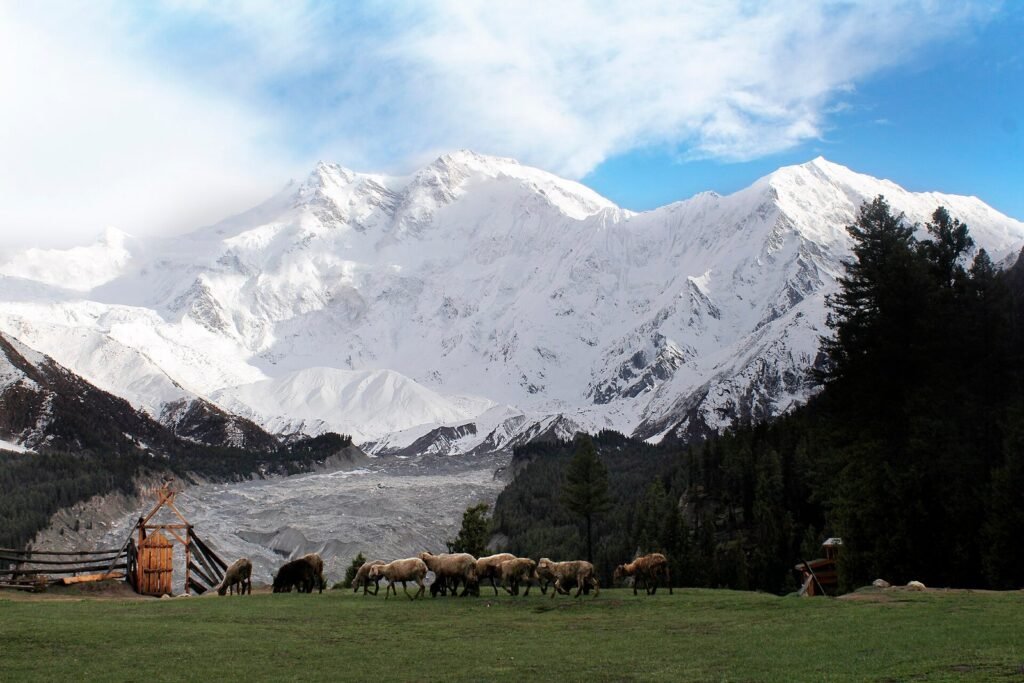
How safety connects to your Pakistan visa
Your visa does not change the security picture, but some visa choices make a safer trip easier to plan:
- A Letter of Invitation from a licensed tour operator links your trip to a registered company that knows the regions you plan to visit. Read more in our guide to the letter of invitation for a Pakistan visa.
- Apply early. Official processing for an entry visa is 7 to 10 working days, and longer if your application is sent back for review. Applying early leaves room to change plans if travel advice shifts. See Pakistan visa processing time.
- Use the official portal or a trusted helper. The only official online channel is the Pakistan Online Visa System at visa.nadra.gov.pk. Any third-party service, including ours, still submits there. Check the Pakistan tourist visa requirements before you start.
Pakistan Visa Desk is a private service and is not affiliated with the Government of Pakistan. For US$149 per traveler (plus the government fee) we arrange the Letter of Invitation from a licensed Pakistan tour operator, fill in the form, check your documents and update you on WhatsApp. We cannot give security guarantees, and visa issuance is always at the discretion of the Government of Pakistan.
Bottom line
Pakistan is not a single risk level. Large parts of the west and the border areas carry the strongest warnings from Western governments, while the northern mountains host a steady flow of foreign visitors. Whether it is safe enough for you depends on your route, your insurance, your experience and your own government's current advice. Read that advice, plan with a licensed operator for remote areas, leave buffer days, and stay flexible. If you decide to go, we are happy to handle the visa side so you can focus on the rest. Start your application or message us with questions.
Frequently asked questions
Is Pakistan safe for tourists right now?
Safety varies by region. In October 2026 the US rated Pakistan Level 3 overall with Level 4 for Balochistan, Khyber Pakhtunkhwa and the Line of Control area. The UK advises against travel to named areas. Check your own government's live advice before you book and again before you fly.
Is Hunza or Gilgit-Baltistan safe to visit?
Neither the US nor the UK places a blanket warning on Gilgit-Baltistan, and it is the most visited region by foreign tourists. The main hazards are landslides, road closures, altitude and weather. The UK notes foreigners may need to register and recommends local security advice. See our Hunza guide.
Will my travel insurance cover Pakistan?
It depends on the policy. Many insurers exclude areas under a do not travel or against all travel warning. Read the wording, confirm your exact route with the insurer in writing, and add helicopter rescue cover if you plan to trek at high altitude in the Karakoram.
Is it safe for women to travel alone in Pakistan?
Many women travel in Pakistan, some solo. Expect attention and dress modestly. Book well-reviewed accommodation, use transport arranged by your hotel or operator, avoid long road journeys after dark and consider a small group tour for remote areas. Follow your own government's advice.
Does a tour operator make Pakistan safer?
A licensed operator cannot remove risk, but it knows current road conditions, checkpoints and local permit rules, and can change plans quickly. Some areas need advance permission for foreigners. A Letter of Invitation from a licensed operator also supports your visa application.
Can I still get a Pakistan visa if travel advice changes?
Yes. Travel advisories are separate from visa decisions, which are at the discretion of the Government of Pakistan. Apply early so you have time to adjust plans. Our refund policy explains what happens if a visa is rejected or you cancel.
Sources: US Department of State: Pakistan Travel Advisory · UK FCDO: Pakistan safety and security · UK FCDO: Pakistan regional risks · Pakistan Online Visa System (official portal)
Pakistan Visa Desk is a private visa assistance service and is not affiliated with the Government of Pakistan. Visa decisions are made only by the Government of Pakistan. Rules can change, so always check the official portal at visa.nadra.gov.pk before you travel.